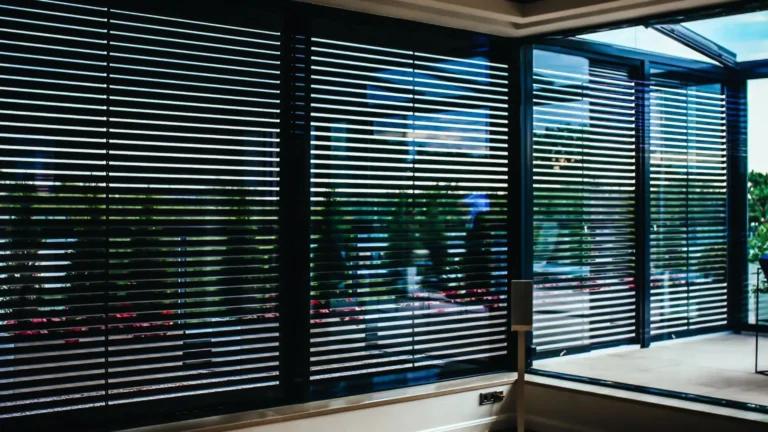
Pleats - an alternative to traditional interior blinds
Pleats are an increasingly popular solution for window coverings, gaining recognition for both their functionality and aesthetics. They are an interesting alternative to traditional interior blinds, offering slightly different design and utility options. In this article, we will look at what pleats are, what their advantages are, and in which interiors they will work best.
What are pleats?
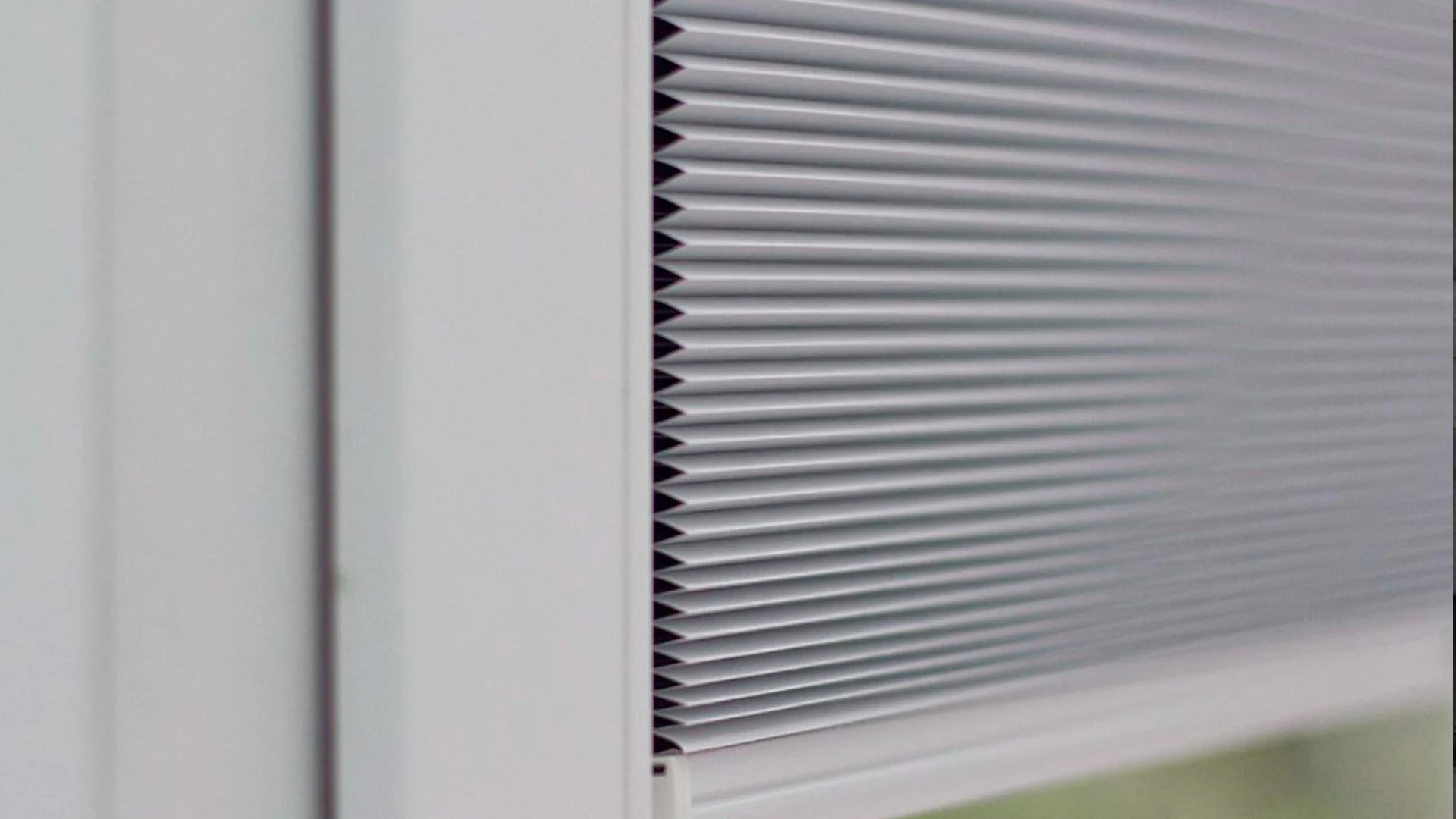
Pleats, also known as pleated blinds, are a window covering system consisting of material folded into an accordion, which moves along guides mounted in the window frame. This characteristic way of folding the fabric allows for free regulation of the amount of light entering the room - you can raise or lower the pleat from both the top and the bottom, which is one of the greatest advantages of this system.
The main advantages of pleats
Pleats have many advantages that distinguish them from other window coverings, such as roller blinds or blinds. Here are the most important ones:
- Adjustable in two directions
The biggest advantage of pleats is that they can be opened from both the top and the bottom. This allows you to precisely adjust the level of blackout to your individual needs. This is an ideal solution if you want to ensure privacy without giving up natural light - you can cover the lower part of the window, leaving the upper part exposed. - Versatile assembly
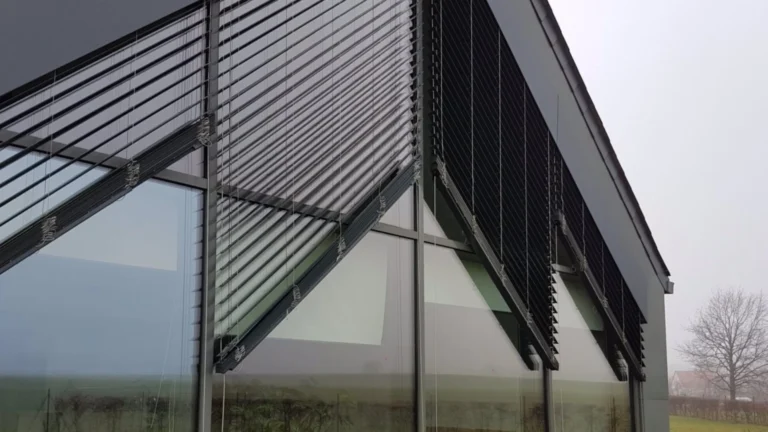
Pleats can be installed on almost any type of window – both standard, slanted, triangular, round or roof. Thanks to their design, they perfectly fit irregular window shapes, making them a great choice for unusual spaces. - Aesthetics and fabric variety
Pleats are available in a wide range of colors and patterns, which allows them to be matched to any interior. The materials from which they are made can have different degrees of light transmittance - from delicate, which slightly scatter light, to completely blackout fabrics, ideal for bedrooms. - Easy to operate and maintain
Pleats are very easy to use. They can be easily controlled manually using handles, as well as using automatic mechanisms in modern smart home systems. In terms of maintenance, pleats are easy to keep clean - regular vacuuming or wiping with a damp cloth is enough.
Pleats vs. traditional blinds – a comparison
Although pleats and blinds have a similar function, i.e. they regulate the amount of light in the room, they differ in many respects:
- Light regulation – Roller blinds are usually lowered from the top down, which limits adjustment options, while pleats offer greater flexibility thanks to a two-way system.
- Aesthetics – Pleats have a more subtle and modern look, which makes them a perfect match for minimalist and modern interiors. Blinds, especially Roman blinds, can give the interior a more classic character.
- Versatility – Pleats can be installed on windows with non-standard shapes, while traditional blinds often do not fit slanted or round windows.
- Price – Roller blinds may be slightly cheaper than pleated blinds, but this depends on the type of material and additional features, such as automatic mechanisms or specialist fabrics.
Where do pleats work best?
Pleats are a very versatile solution that can be used in various rooms. Here are some suggestions where pleats can be particularly practical:
- Bedroom – Pleats with blackout fabric will provide optimal sleeping conditions. Thanks to the possibility of adjustment in two directions, you can cover the lower part of the window, providing privacy, while leaving the upper part uncovered to let in some daylight.
- Living room – In living rooms, where both privacy and access to natural light are important, pleats allow you to create a comfortable atmosphere. You can freely adjust their position, depending on the angle of sunlight.
- Kitchen and bathroom – In places exposed to moisture, such as the kitchen or bathroom, pleats made of moisture-resistant materials are a great solution. Additionally, their subtle design fits perfectly into minimalist and modern arrangements.
- Roof windows – Pleats are one of the few solutions that will work well on roof windows. Thanks to their design, they adhere perfectly to the glass, regardless of the window's angle.
Installing pleats – what to pay attention to?
Installing pleats is relatively simple, but requires precision for the system to work efficiently and look aesthetically pleasing. There are several options for installing pleats:
- Non-invasive installation – Pleats can be installed without drilling, using special brackets that are attached to the window frame. This is an ideal solution for people who do not want to interfere with the structure of the window.
- Invasive assembly – For larger windows or non-standard shapes, invasive installation using screws may be necessary to ensure the stability of the system.
It is always worth using the help of professionals who will precisely match the system to the window and ensure correct installation.
Pleats in the smart home system
Pleats can also be integrated with smart home systems, which allows for automatic control using a smartphone, tablet or remote control. Such solutions are particularly useful for large windows or hard-to-reach places, such as roof windows. Automation also allows for programming the operation of the pleats depending on the time of day or sunlight, which contributes to energy savings and increased comfort of use.
Summary
Pleats are a modern and functional solution that will work well in many interiors. Thanks to their flexibility, the possibility of adjustment in two directions and aesthetic appearance, they are an excellent alternative to traditional interior blinds. Regardless of whether you are looking for covers for the bedroom, living room or kitchen, pleats are a versatile choice that combines functionality with elegance