Energy efficiency at home – the key role of windows and doors
In an era of rising energy prices and increasing environmental awareness, energy efficiency is becoming a priority for many homeowners. Windows and doors play a key role in keeping the heat in the winter and the cool in the summer, significantly affecting the energy efficiency of a building. Let's take a look at how the right choice and installation of these elements can contribute to significant savings.
Windows – the heart of an energy-efficient home
Heat transfer coefficient (U)
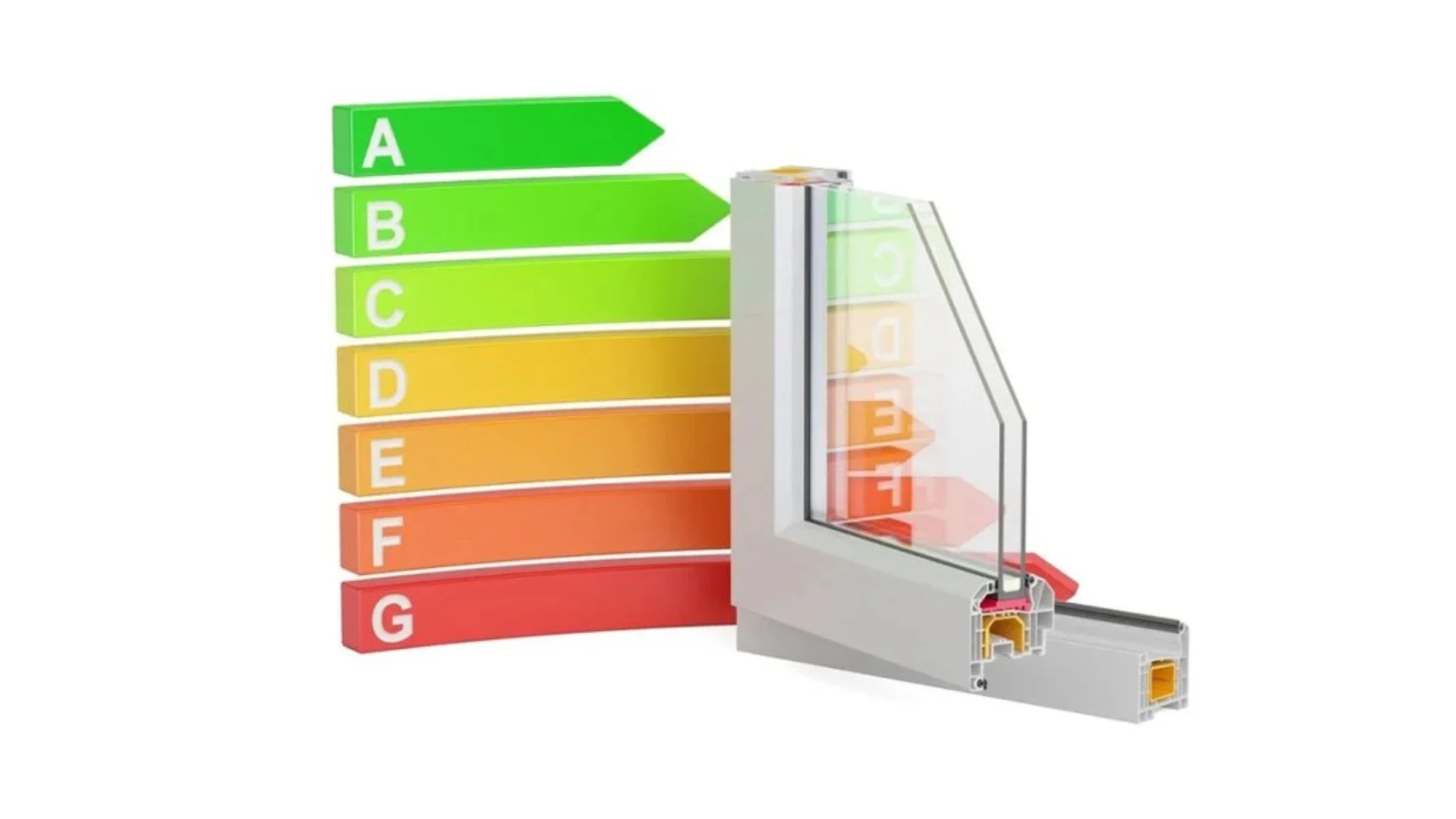
The key parameter when choosing windows is the heat transfer coefficient (U). The lower its value, the better the thermal insulation.
- Standard windows: U ≈ 1.1 W/(m² K)
- Energy-saving windows: U < 0.8 W/(m² K)
- Passive windows: U < 0.6 W/(m² K)
Insulating glass
Modern energy-saving windows use insulating glass technology:
- Double glazing: Basic standard in new construction.
- Triple glazing: They offer better insulation, ideal for passive houses.
- Low emission coatings: They reflect heat back into the home.
- Noble gas filling: Argon or krypton between the panes improves insulation.
Window frames
The frame material also matters:
- PVC: Good insulation, affordable price.
- Wood: Natural insulation, aesthetic appearance.
- Aluminum with thermal break: Durability and modern design.
Doors – guardians of heat
External doors
Energy-saving external doors should be characterized by:
- Low U-value (below 1.3 W/(m² K))
- Multi-layer construction made of insulating materials
- Tight seals around the entire perimeter
Patio doors
Large glazing requires special attention:
- Sliding doors with lift and slide system (HS): They provide excellent tightness.
- Warm thresholds: Minimize thermal bridges.
Assembly – the key to success
Even the best windows and doors will not fulfill their role without proper installation:
- Warm assembly: Use of expansion tapes and vapour barrier foils.
- Elimination of thermal bridges: Use of polyurethane foams and other insulators.
- Regular inspections: Inspection and maintenance of seals and fittings.
Additional solutions to increase energy efficiency
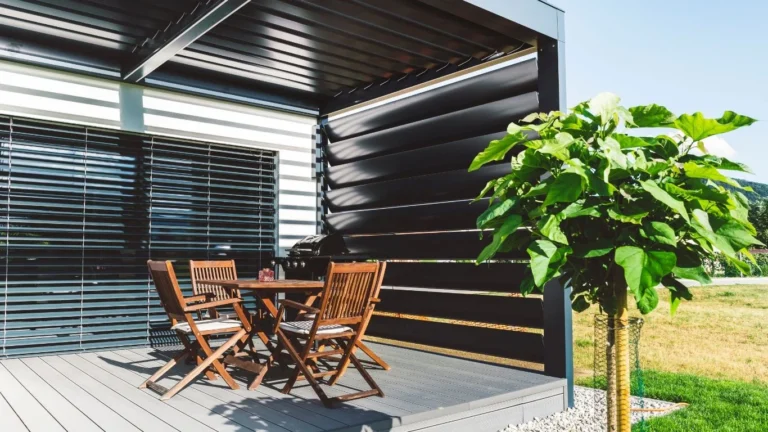
- External blinds: An extra layer of insulation, especially useful at night.
- Facade blinds: Protect against overheating in summer.
- Air vents: Ensure proper ventilation without heat loss.
Benefits of energy-efficient windows and doors
- Lower heating and air conditioning bills: Savings can be up to 30% per year.
- Increased comfort: Stable temperature inside the house.
- Noise reduction: Better sound insulation.
- Ecology: Less energy consumption means less CO2 emissions.
- Property value increase: Energy-saving solutions are appreciated on the market.
Summary
Investing in energy-efficient windows and doors is a step towards an economical and ecological home. Although the initial cost may be higher, the long-term savings and increased comfort of life make this investment extremely worthwhile. Remember that the key to success is not only choosing the right products, but also their correct installation and regular maintenance.